
There is something quietly courageous about deciding to let your natural silver emerge. If you have been searching for how to transition to gray hair gracefully, chances are you are standing at a mirror holding a box of dye in one hand and a photograph of your mother’s silver waves in the other. The beautiful truth is that this transition is not a surrender. It is a reclamation. You are choosing to stop hiding and start honoring what your body has been quietly creating all along.
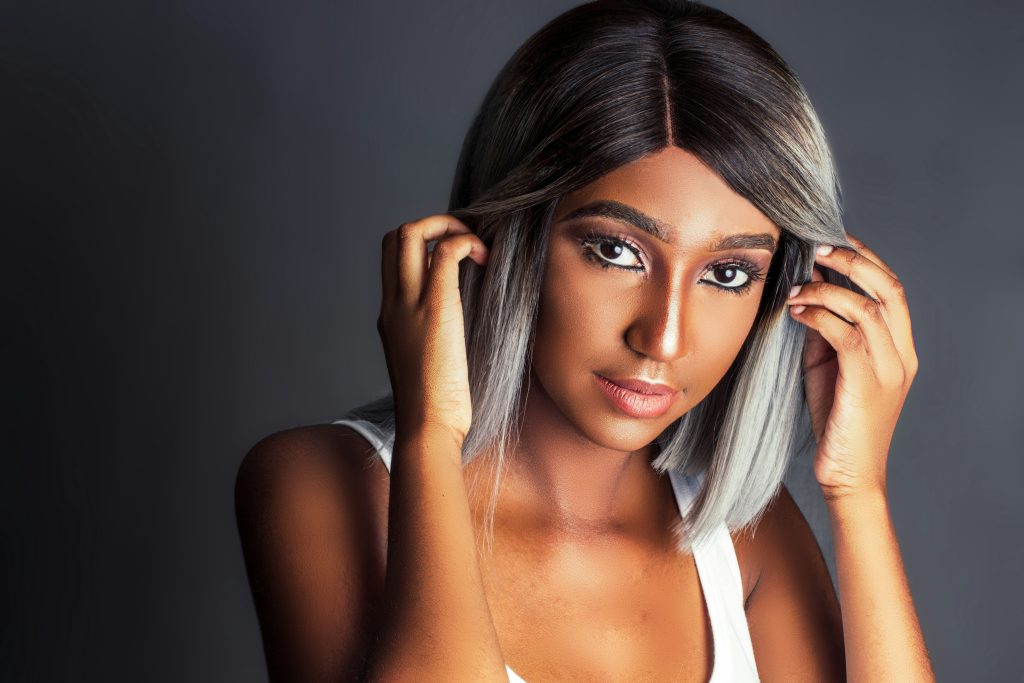
Transitioning to gray is not about giving up on beauty or accepting defeat. It is about small, meaningful steps that protect your hair’s health, honor the emotional complexity of this change, and create a visual path from where you are to where you want to be. Whether you are managing a career, raising teenagers, caring for aging parents, or simply recalibrating after decades of putting others first, this guide is written with you in mind. The path to how to transition to gray hair gracefully is designed to be gentle, realistic, and easy to weave into your existing life.
Table of Contents
Why learning how to transition to gray hair gracefully becomes essential
How you move through this change now sets the emotional tone for how you feel about yourself for years to come. After forty, and especially after fifty, this decision carries weight. It is visible. It is personal. And it is often misunderstood by a world that still equates youth with artificial color.
The moment the maintenance becomes too much
Many women describe a specific breaking point. The roots appear after ten days instead of three weeks. The scalp burns or itches from decades of chemicals. The cost and time no longer feel worth the result. Or simply, one morning, you look at the stripe of silver at your part and think, what if I just let this be?
That thought is not laziness. It is wisdom knocking. Your hair follicles are producing less melanin, and that process is natural. Fighting it every three weeks with harsh dye can weaken already aging strands, dry the scalp, and create a cycle of damage that makes hair look older than years ever could. Understanding this is the first step in how to transition to gray hair gracefully.
When you realize you are ready to be seen as you are
You might notice yourself pulling your hair back more often to hide the roots. Or feeling a strange pride when a silver strand catches the light. Or simply feeling tired of the performance. That moment of noticing is actually a gift. It is the beginning of choosing authenticity.
The most effective approach to how to transition to gray hair gracefully does not ask you to become someone else. It asks you to meet your reflection with patience, offering your hair the support it needs while your true color finds its voice again.
A Gentle Reminder
You do not need to earn your authenticity or justify your self-care. These choices are not rewards for productivity. They are the foundation of a life that feels sustainable and good. Your silver hair does not ask you to prove your worth before it agrees to shine. It simply asks for the right care and a little tenderness.
How to transition to gray hair gracefully: practical paths
There is no single right way to let your gray grow in. The path you choose depends on your current color, your hair’s condition, your lifestyle, and your tolerance for the awkward in-between phase. These approaches consistently prove to be the most faithful allies for women navigating this visible, vulnerable change.
The slow grow-out with strategic blending
If your natural base is light brown or dark blonde, the grow-out line may be soft enough to manage with minimal intervention. This path asks for patience. You simply stop coloring and let nature take its course, trimming away the old dyed ends as your silver length increases.
To make this easier, ask your stylist for a color melt or balayage that bridges your natural silver and your remaining dyed length. Lowlights in a shade close to your emerging gray can blur the line of demarcation, making the transition look intentional rather than neglected. Among all approaches to how to transition to gray hair gracefully, this is the gentlest on your hair but requires the most emotional stamina.
The big chop and fresh start
For women with darker dyed hair or those who cannot bear the stripe of contrast, cutting off the colored length offers immediate liberation. A chic pixie, a sharp bob, or a textured crop removes the old color in one appointment and lets your silver emerge as the hero from day one.
This path is not for everyone. It asks courage. But it also offers a strange, unexpected joy. You walk out of the salon lighter in more ways than one. The weight of maintenance is gone. The face you see is yours, unfiltered. It is one of the most powerful statements of how to transition to gray hair gracefully because it refuses to hide behind length.
The salon-assisted transition with highlights and lowlights
If you want to keep some length but cannot tolerate the harsh grow-out line, a colorist can weave in highlights and lowlights that gradually shift your overall tone toward your natural silver. This is sometimes called gray blending. It camouflages the transition by adding dimension that mimics what your hair will eventually look like.
This approach requires salon visits every eight to ten weeks, but they are gentler appointments than full-root coverage. Over time, less and less artificial pigment is needed until your stylist is simply glossing your silver to keep it bright. When considering how to transition to gray hair gracefully, this is the most supported path, ideal if you have the means and want to avoid the awkward phase entirely.
“The way you let your hair tell its true story becomes the way you live your truth. Your forties, fifties, and beyond are the perfect time to make that story an honest one.”
Caring for your silver as it emerges
Gray and silver hair is structurally different from pigmented hair. The cuticle is thinner and more porous. It tends to be drier, more prone to frizz, and more susceptible to yellowing from sun, pollution, and product buildup. The care you give it during the transition determines how elegant the result will be.
The purple shampoo question
Purple and blue shampoos have become the default recommendation for silver hair, and they do help neutralize yellow tones. But many formulas are aggressively pigmented and deeply drying, which can make aging hair feel like straw.
The best approach is moderation. Use a gentle violet shampoo once a week, not every wash. Alternate with a hydrating, sulfate-free formula designed for dry or mature hair. If your scalp is sensitive, look for purple conditioners rather than shampoos, or ask your colorist for a professional silver gloss every few months. When learning how to transition to gray hair gracefully, protecting the integrity of the strand matters as much as the tone.
Hydration becomes non-negotiable
Silver hair drinks moisture and seems to forget how to retain it. Weekly deep conditioning masks, lightweight leave-in conditioners, and occasional hair oils on the ends become essential. Heat styling should be minimized, and when necessary, always protected with a thermal spray.
Sleeping on silk or satin preserves the cuticle and reduces morning frizz. These small luxuries are not vanity. They are maintenance for a texture that requires more gentleness than it once did. The how to transition to gray hair gracefully journey includes learning to baby your silver as it finds its strength.
The emotional layer of how to transition to gray hair gracefully
True transformation extends beyond the mirror. The emotional landscape of going gray can bring unexpected grief, unexpected pride, and unexpected social friction. It is not vanity to feel complicated about this. It is human.
Releasing the fear of looking older
Many women resist going gray because they believe it will age them overnight. But the truth is more nuanced. Damaged, over-dyed hair with dark roots and dull ends often looks more aging than healthy, bright silver that moves well and catches light. The key is condition, not color.
When you release the fear and focus on health, your posture improves. You stop apologizing for your appearance. And paradoxically, you often look younger because you look like someone who is not fighting herself. That peace radiates. It is one of the deepest gifts of learning how to transition to gray hair gracefully.
Navigating other people’s opinions
You will encounter opinions. Some will call you brave, which can feel patronizing. Others will ask if you are tired or sick. Some will say you look older, as if that were the worst thing a woman could be. Learning to hold your ground with grace is part of the transition.
Remember that their reactions are about their own fears of aging, not about your hair. You do not owe anyone an explanation. A simple, I love how it feels, is enough. The longer you wear your silver, the more it becomes simply you, and the comments fade. This resilience is part of how to transition to gray hair gracefully. It builds a confidence that no root touch-up ever could.
Knowing when to seek professional color support
If your transition feels overwhelming, or if your hair is too damaged to grow out comfortably, see a colorist who specializes in gray blending. They can create a road map that takes you from here to there without the emotional toll of a harsh grow-out line. Seeking help is not weakness. It is wisdom.
Your later years are an ideal time to invest in your wellbeing with the same dedication you bring to everyone else in your life. You deserve support. And you deserve to feel at home in your own reflection every step of the way.
A Gentle Closing Thought
Creating a meaningful relationship with your natural color is not about adding more to your already full plate. The journey of how to transition to gray hair gracefully is the one you will actually walk with patience and self-respect. It is about approaching your reflection with greater intention, treating yourself with the tenderness you so readily offer others, and recognizing that caring for yourself is what allows you to show up fully for the life you love.
Among the many paths to authenticity, the most important one is simply this: begin where you are, with what you have, and let your silver emerge as you do. Start with one small step tomorrow. Skip the dye appointment. Book the blending consultation. Buy the silk pillowcase. And notice how it feels to be cared for, by you, for you.
You have spent decades learning how to cover and manage and perform. This season is about learning, finally and fully, how to be seen. And there is no better time to begin than right now. Choose one or two steps from this guide on how to transition to gray hair gracefully and start there.
Sources and Inspiration
- Personal conversations with women navigating the emotional and practical journey to natural silver hair
- Trichology research on structural changes in graying hair and melanin reduction
- Colorist literature on gray blending, lowlighting, and grow-out management techniques
- Studies on hair porosity, moisture retention, and yellowing in non-pigmented hair
- Psychological research on aging, visibility, and feminine identity in midlife and beyond
- Contemporary wellness literature on mindful living and daily rituals
