
There is something quietly sacred about the moment when the house falls silent and the world outside slows its spinning. If you have been searching for sleep habits for healthy skin and hair, chances are you have already noticed that no expensive cream fully compensates for a night of tossing and turning. The beautiful truth is that your body knows exactly how to repair itself. It just needs you to stop interrupting the process. This season of life invites you to see sleep not as a luxury you steal at the end of a long day, but as the foundation of every glow you wake up hoping to find.
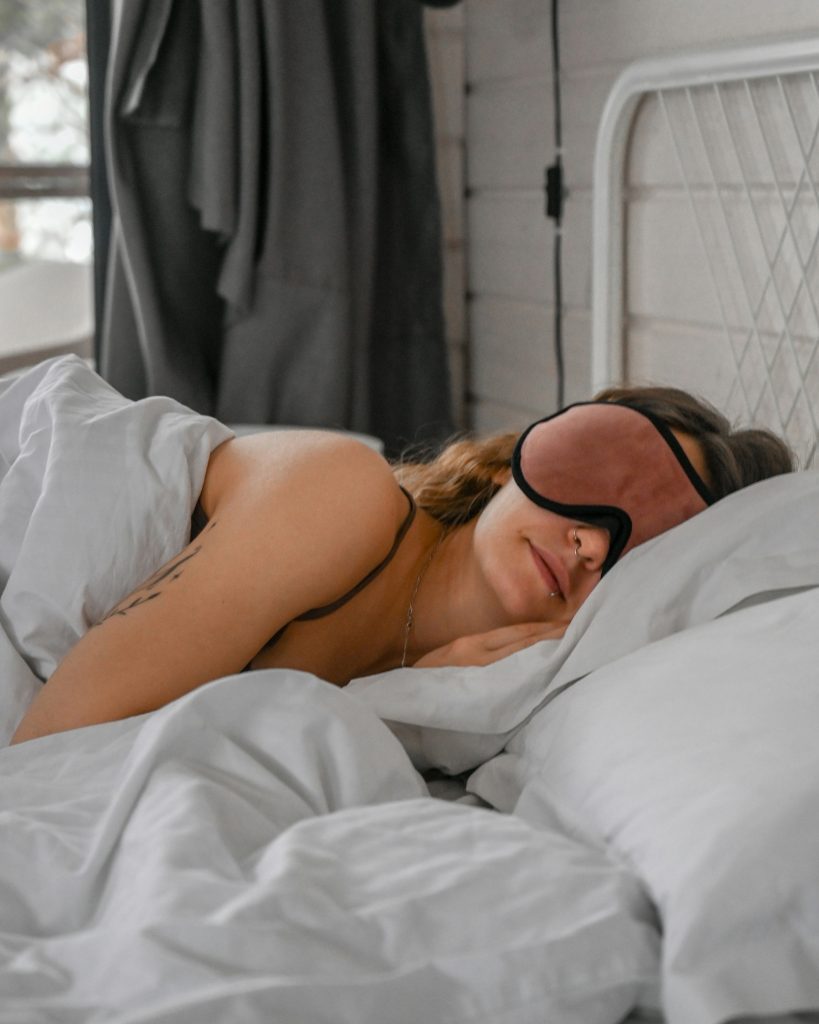
Sleep in your forties and fifties is not about collapsing into bed after everyone else is finally taken care of. It is about creating conditions where restoration can actually happen. Where collagen fibers knit back together. Where hair follicles shift into their growth phase. Where cortisol drops low enough for your cells to trust that the danger has passed. Whether you are managing hot flashes, racing thoughts, or simply the habit of scrolling until your eyes burn, this guide is written with you in mind. The sleep habits for healthy skin and hair shared here are designed to be gentle, realistic, and easy to weave into your existing life.
Table of Contents
Why Sleep Is When the Real Beauty Work Happens
How you spend your night determines how you meet your reflection in the morning. After forty, this equation becomes less forgiving. A single poor night shows up as dullness. A string of them shows up as thinning hair and deepening lines. The good news is that the reverse is also true. Small improvements in your rest create visible change faster than you might expect.
The skin repair cycle that depends on rest
Between the hours of ten at night and two in the morning, your skin enters its most active regeneration phase. Blood flow increases to the face. Cell turnover accelerates. Collagen production peaks. Growth hormone, which acts as a master repair signal, is released in pulses that require deep, uninterrupted sleep to reach their full potential.
If you are chronically waking at one or two in the morning, you are likely missing this window. That is why the sleep habits for healthy skin and hair that protect your circadian rhythm matter so much. They are not about vanity. They are about allowing your biology to do what it was designed to do.
Hair growth and the night shift
Your hair follicles operate on a cycle of growing, resting, and shedding. The growth phase is fueled by nutrients delivered through blood, and blood flow to the scalp increases during sleep. Melatonin, the hormone that regulates your sleep-wake cycle, also acts as an antioxidant that protects hair follicles from oxidative stress.
When sleep is fragmented, that delivery system falters. The result is hair that breaks more easily, sheds more readily, and grows more slowly. If you have stood in the shower wondering why your ponytail feels thinner, the answer may not be in your shampoo. It may be in your midnight waking.
Sleep Habits for Healthy Skin and Hair That Begin at Dusk
A nourishing night does not start when your head hits the pillow. It begins hours earlier, in the small choices that tell your nervous system the day is ending. These evening practices are designed to fit into real, busy lives.
Create a transition ritual between day and night
Many women over forty find their minds still racing when they finally lie down. That is why a transition ritual is essential. Dim the lights an hour before bed. Take a warm bath infused with magnesium salts or lavender oil. Swap screen time for something tactile like knitting, journaling, or gentle stretching.
This ritual helps signal to your body that it is safe to relax. Cortisol begins its descent. Digestion slows. Temperature drops. All of these physiological shifts prepare the ground for the repair work that happens while you dream. The most powerful sleep habits for healthy skin and hair are the ones that honor this bridge between doing and being.
The pillowcase decision
What your face and hair press against for eight hours matters more than most people realize. Cotton pillowcases absorb moisture from your skin and create friction that roughs up hair cuticles. Over time, this contributes to sleep lines that become permanent wrinkles and to morning tangles that weaken strands.
Switching to silk or satin is one of the simplest sleep habits for healthy skin and hair you can adopt. The smooth surface allows skin to glide rather than crease. It allows hair to rest without friction. It is a small luxury that pays visible dividends, and it requires no extra time in your routine. Just a different fabric beneath your cheek.
A Gentle Reminder
You do not need to earn your rest or justify your self-care. These practices are not rewards for productivity. They are the foundation of a life that feels sustainable and good. Your skin and hair do not ask you to prove your worth before they agree to repair themselves. They simply ask for the conditions to do their work.
The Evening Rituals That Support Sleep Habits for Healthy Skin and Hair
Beyond the environment, what you do to your body in those final hours determines how deeply you rest and how completely you renew.
Cleanse with intention
Going to bed with the day still sitting on your skin is like asking your body to repair a house while the windows are still boarded shut. Makeup, sunscreen, pollution, and sebum create a barrier that prevents the active regeneration phase from functioning properly.
A gentle double cleanse, first with an oil or balm and then with a soft foaming cleanser, removes everything without stripping the protective lipid layer your skin needs. Follow with a hydrating serum and a nourishing night cream. These products do not work miracles on their own. They work because sleep gives them the right stage. The combination of good sleep habits for healthy skin and hair and thoughtful skincare is where the magic lives.
Nourish from within
What you eat in the evening affects how you sleep, and how you sleep affects how you look. Heavy meals close to bedtime force digestion to compete with repair. Alcohol may help you fall asleep faster, but it fragments deep sleep and dehydrates the skin.
Instead, choose a light dinner with magnesium-rich foods like leafy greens, almonds, or pumpkin seeds. Magnesium supports muscle relaxation and melatonin production. A small cup of chamomile tea or warm golden milk can become a signal to your body that the kitchen is closed and the repair shift is beginning.
Scalp and hair preparation
Before bed, apply a few drops of nourishing oil to your ends or give yourself a brief scalp massage. This increases circulation and distributes natural oils along the hair shaft. If your hair is long, loosely braid it or wrap it in a silk scarf to prevent tangling.
These gestures take less than five minutes. Yet they transform your sleep into active beauty time rather than passive damage. They are the kind of sleep habits for healthy skin and hair that ask very little and return so much.
Protecting Your Sleep From Modern Life
The world does not make rest easy. Notifications glow. Deadlines loom. Hormones surge at inconvenient hours. Protecting your sleep requires gentle vigilance.
Screens and blue light
The blue light emitted by phones, tablets, and televisions suppresses melatonin production. Without melatonin, your body does not receive the chemical message that it is night. Your skin misses its repair window. Your hair follicles miss their growth signal.
Create a digital sunset. One hour before bed, put devices in another room. If you must use them, enable night mode and wear blue light blocking glasses. But honestly, the most restorative choice is often a paperback novel and a dim lamp. Your ancestors slept according to the sun. Your cells still remember that rhythm.
The temperature factor
Your core body temperature needs to drop by about one degree to initiate deep sleep. A bedroom that is too warm interferes with this process. Keep your room cool, between sixty and sixty-seven degrees if possible. Use breathable cotton or linen bedding. If night sweats are part of your reality, moisture-wicking fabrics can be a game changer.
Cooler sleep is deeper sleep. And deeper sleep means more growth hormone, more collagen synthesis, and more time for your hair to receive the nutrients it needs. Temperature control is one of the most overlooked sleep habits for healthy skin and hair, yet it costs nothing to adjust.
Weekly Deep Sleep Practices
Beyond daily rituals, building in weekly practices creates deeper restoration. These are not indulgences. They are investments in your sustained energy and joy. Consider these additions as regular tune-ups for your wellbeing.
Schedule a true evening of rest
One night each week, give yourself permission to begin your wind-down earlier than usual. This might mean a longer bath, a gentle yoga session, or simply getting into bed with a novel at eight-thirty. The key is that it is unhurried and unscheduled.
Your skin and hair respond to consistency. A weekly deep rest night reinforces the neural pathways that associate evening with safety. Over time, this makes falling asleep easier on every other night.
Reassess and adjust regularly
Your needs will shift from season to season. Your sleep habits for healthy skin and hair should never feel rigid. Once a month, take a quiet moment to ask yourself what is working, what feels draining, and what you might need more of. Then adjust with compassion. This flexibility is itself an act of self-respect.
Emotional Release Before Bed
True rest extends beyond the physical. The emotional landscape of your forties and fifties can bring unexpected complexities. Children growing up, parents aging, career recalibrations, and hormonal shifts can all create a background hum of stress that deserves attention. The most effective sleep habits for healthy skin and hair always include attention to your inner world.
Practice boundaries around bedtime worry
Learning to set aside your mental to-do list is one of the most liberating skills a woman can develop. Keep a simple journal by your bedside. Write down three things that went well, or release worries onto paper. This practice costs nothing and takes only a few minutes, yet it significantly improves sleep quality and mental clarity.
A mind that is not running on empty allows the body to enter true repair. Your skin clears. Your hair strengthens. Your eyes lose that persistent puffiness. Boundaries are not selfish. They are cosmetic.
Seek support when you need it
If sleep remains elusive despite your best efforts, talk to a healthcare provider. Hormonal changes, thyroid imbalances, and anxiety can all disrupt rest in ways that self-care alone cannot fix. Seeking support is not weakness. It is wisdom.
A Gentle Closing Thought
Creating a meaningful sleep practice in your forties and fifties is not about adding more to your already full plate. The best sleep habits for healthy skin and hair are the ones you will actually do. It is about approaching your nights with greater intention, treating yourself with the tenderness you so readily offer others, and recognizing that caring for yourself is what allows you to show up fully for the life you love.
Among the many paths to renewal, the most important one is simply this: begin where you are, with what you have, and let your practice evolve as you do. Start with one small ritual tonight. Dim the lights, breathe deeply, rest gently, and notice how it feels to be cared for, by you, for you.
You have spent decades learning how to care for everyone else. This season is about learning, finally and fully, how to care for yourself. And there is no better time to begin than right now.
Sources and Inspiration
- Personal conversations with women navigating sleep disruption and beauty concerns in midlife
- Sleep science research on circadian rhythm changes with age and hormonal transitions
- Dermatological literature on nocturnal skin repair and collagen synthesis
- Trichology studies on hair growth cycles and the role of melatonin in follicle health
- Psychological research on stress management and pre-sleep emotional release
- Contemporary wellness literature on restorative evening rituals and sleep hygiene
