
There is something quietly terrifying about running your fingers through your hair and watching more strands than usual drift to the floor. If you have been searching for answers about stress related hair loss in women, chances are you have already felt that cold rush of panic in the shower or that quiet grief when you glance at old photographs. The beautiful truth is that your body is not betraying you. It is speaking. And what it is saying, most often, is that the emotional load you have carried has become too heavy for too long.
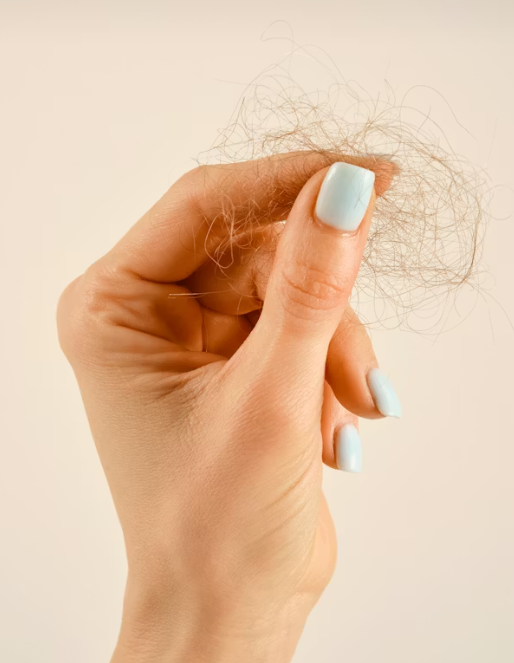
This condition is not a character flaw or a sign of vanity. It is a biological whisper that something needs to change. After decades of putting careers, children, parents, and partners first, many women wake up to find their bodies have finally asked for payment. The hairbrush becomes a mirror of exhaustion. The shower drain becomes a measure of how long you have been running on empty. But here is what matters most: this is reversible. Not overnight, and not with a single magic product. But with patience, boundaries, and care that reaches deeper than the scalp.
Table of Contents
Understanding Stress Related Hair Loss in Women
For years, you have pushed through deadlines, nursed sick children, sat with aging parents, and held your breath through sleepless nights. Your body kept score. And sometimes, the first place it reveals that tally is in your hair. This condition is not a myth invented by shampoo companies. It is a documented biological response that happens when chronic stress pushes large numbers of follicles into a resting phase at once.
The Most Common Pattern of Stress Related Hair Loss in Women
Doctors call it telogen effluvium, but what it means in plain language is this: your hair decides to rest before its time. Normally, each strand follows its own cycle of growing, resting, and shedding. But under intense or prolonged stress, that cycle synchronizes. Months after a traumatic event, a divorce, a burnout, or a prolonged period of anxiety, you may notice handfuls coming loose all at once.
The lag between stress and shedding can make it confusing. You might feel calmer now and still be losing hair from the storm you weathered three months ago. That delay is normal. It is also why so many women feel helpless. They think the danger has passed, yet their scalp is still paying the debt. Understanding this timeline is the first step toward forgiving yourself.
How Cortisol Feeds Stress Related Hair Loss in Women
Your body releases cortisol to help you survive threats. It is a brilliant mechanism for short-term danger. But when stress becomes your baseline, cortisol stays elevated and begins to interfere with the delicate balance of your hair follicles. It can shrink follicles, shorten the growth phase, and increase inflammation around the scalp.
For women over forty, this is compounded by hormonal shifts that already make hair more vulnerable. The result is a double wave of change that shows up in the shower drain and on your bathroom floor. It is not your imagination. It is chemistry. And chemistry can be gently redirected.
A Gentle Reminder
You do not need to justify your stress or compare it to anyone else’s suffering to deserve care. If your body is showing signs of strain, that is reason enough to slow down. Healing begins with believing that your wellbeing matters as much as your to-do list.
Daily Habits That Help Ease Stress Related Hair Loss in Women
Recovering your hair is not about buying the most expensive serum on the shelf. It is about lowering the internal alarm bell so your follicles feel safe enough to grow again. These daily habits are designed to fit into real, busy lives. They do not require a complete overhaul. They simply ask you to pause.
Morning Grounding Practices for Stress Related Hair Loss in Women
How you begin your morning sets the emotional tone for everything that follows. Before checking emails or scrolling through news, give yourself five minutes of something nourishing. This might be sitting quietly with warm lemon water, writing three lines in a journal, or simply breathing deeply before your feet hit the floor.
Protecting this small window of peace is one of the most impactful ways to reduce the inflammation that feeds this condition. It creates a boundary between your inner world and external demands. Of all the strategies, this one requires no special products or preparation, only the decision to begin your day on your own terms.
Evening Rituals That Ease Stress Related Hair Loss in Women
Many women find their minds still racing when their heads hit the pillow. That is why evening rituals are essential. A warm bath infused with magnesium salts, a few gentle yoga stretches, or swapping screen time for knitting or reading can signal to your nervous system that it is safe to relax.
Sleep is when your body repairs, and your hair grows. Without real rest, no supplement or serum can do its best work. The hours before midnight are especially precious. Treat them like an appointment with your future self.
“The way you carry your stress becomes the way you age. Your forties and fifties are the perfect time to set down what is not yours to hold.”
Nourishing Your Body Back From Stress Related Hair Loss in Women
Your follicles need building blocks to recover. And they need them most when your body has been running on adrenaline and skipped meals. What you eat and how you care for your scalp during this season can either speed healing or slow it further.
Foods That Rebuild After Stress Related Hair Loss in Women
Focus on protein at every meal. Hair is made of keratin, and keratin requires amino acids. Eggs, fish, beans, and Greek yogurt are gentle, affordable sources. Add iron-rich leafy greens, vitamin C for absorption, and omega-3 fatty acids from walnuts or salmon to calm inflammation.
Zinc, found in pumpkin seeds and lentils, supports tissue repair. These are not trendy superfoods. They are the quiet workhorses of recovery. Feed yourself with the same dedication you would feed someone you love.
Gentle Scalp Care Through Stress Related Hair Loss in Women
Be extraordinarily gentle with what remains. Avoid tight ponytails, harsh brushing on wet hair, and scalding showers that strip natural oils. A weekly scalp massage with nourishing oil can improve circulation and remind you that this part of your body deserves tenderness, not tension.
Choose a soft brush, sleep on silk or satin, and pat your hair dry instead of rubbing. These small mercies matter more than you might expect. Your scalp is already sensitive. Treat it like skin that has been through enough.
Emotional Wellness and Stress Related Hair Loss in Women
True healing extends beyond the physical. The emotional landscape that created the stress deserves attention too. Otherwise, the cycle simply begins again.
Boundaries as Medicine for Stress Related Hair Loss in Women
Learning to say no graciously is one of the most liberating skills a woman can develop. Every yes to something that drains you is a no to something that might nourish you. Start small. Protect your time, your energy, and your peace with the same care you would protect something precious. Because you are.
A woman who is not running on empty carries herself differently. Her posture improves. Her cortisol drops. And her hair notices. Boundaries are not selfish. They are a form of cellular repair.
Knowing When to Get Help for Stress Related Hair Loss in Women
If the shedding persists beyond six months, or if you notice bald patches, scalp pain, or other symptoms, please see a dermatologist or trichologist. Sometimes this condition uncovers underlying issues like thyroid imbalance or anemia. Seeking support is not weakness. It is wisdom.
Your forties and fifties are an ideal time to invest in your health with the same dedication you bring to everyone else in your life. You deserve answers. You deserve treatment. And you deserve to feel at home in your body again.
A Gentle Closing Thought
Creating a meaningful recovery is not about adding more to your already full plate. It is about approaching your days with greater intention, treating yourself with the tenderness you so readily offer others, and recognizing that caring for yourself is what allows you to show up fully for the life you love.
Among the many paths back to balance, the most important one is simply this: begin where you are, with what you have, and let your practice evolve as you do. Start with one small ritual tomorrow morning. Breathe, nourish, rest gently, and notice how it feels to be cared for, by you, for you.
You have spent decades learning how to carry everyone else through their storms. This season is about learning, finally and fully, how to shelter yourself. And there is no better time to begin than right now.
Sources and Inspiration
- Personal conversations with women navigating hair loss and emotional stress in midlife
- Trichology research on telogen effluvium and cortisol-related shedding patterns
- Endocrinology studies on hormonal changes and hair cycle disruption after 40
- Psychological literature on chronic stress, burnout, and physical manifestations
- Dermatological guidance on gentle scalp care during active shedding phases
- Contemporary wellness literature on nervous system regulation and restorative daily rituals
